10 Things Animals Do During Birth That Humans Forgot
If you know me, I am always looking for the answers to life by looking back to nature. There you will always find the why, the how, the when....
Birth is a natural process shared by every mammal on earth. Humans, horses, cats, dogs, elephants...our bodies all rely on the same powerful hormones to bring babies into the world: oxytocin, endorphins, and adrenaline. Sometimes I think humans forget, we are animals too.
When you watch animals give birth, you start to notice something intersting. Most animals instinctively create the exact environment their bodies need for labor to work smoothly. Humans still have those instincts too, but modern birth settings sometimes look very different from the environments mammals naturally choose. The good news is that even in a hospital, there are many ways you can try and support the same natural birth physiology.
Here are 10 things animals naturally do during birth and how humans can support them too.
⸻
1. They Seek Privacy
Many animals actively look for a quiet, private place before labor begins. Cats hide in closets, boxes, or that crawl space that is my attic, lol. Horses often wait until the barn is calm and quiet. Privacy helps reduce stress hormones and allows oxytocin (the hormone responsible for contractions) to flow more easily.
How Humans Can Support This in the Hospital (add to birth plan)
• Keep the number of people in the room limited
• Ask staff to knock before entering
• Keep the door closed
• Reduce unnecessary conversation or distractions
Even small steps toward privacy can help laboring feel more relaxed and supported.
⸻
2. They Prefer Darkness
Have you ever noticed most of the time animals give birth at night?
Bright lighting can suppress melatonin and oxytocin, two hormones that play an important role in labor progression.
How Humans Can Support This in the Hospital
• Dim the overhead lights
• Use small lamps instead of bright lights
• Close curtains or blinds
• Bring battery candles or soft lighting
A calm, dim room can immediately change the atmosphere of labor.
⸻
3. Animals Move Freely During Labor
Animals rarely stay still during birth. They walk, sway, circle, squat, and change positions frequently.
Movement helps babies move through the pelvis and encourages strong contractions.
How Humans Can Support This in the Hospital
• Walk the halls during early labor
• Use a birth ball
• Sway or lean during contractions
• Try lunges or gentle rocking movements
• ask for 20mins on the monitors, 40mins off
Staying mobile during labor can help you find the most comfortable position which also in turn allows the baby find the best position for birth.
⸻
4. They Don’t Give Birth on Their Backs
Most animals give birth in upright or gravity friendly positions, such as squatting, standing, or side-lying.
These positions allow gravity to assist and help the pelvis open more fully.
How Humans Can Support This in the Hospital
• Ask about alternative pushing positions (even in your prenatal visits let your provider know you want to push in a position that feels right to you)
• Try side-lying pushing
• Use hands-and-knees positions
• Use a squat bar if the hospital provides one
Many hospitals are becoming more supportive of flexible pushing positions.
⸻
5. They Follow Their Instincts
Animals do not receive instructions on when to push or how to breathe. Their bodies guide them through labor naturally. Humans often feel these instincts too when labor is allowed to progress naturally.
How Humans Can Support This in the Hospital
• Focus on breathing during pushing
•Ask staff if you don't want coached through pushing (again write on birth plan)
• Change positions when something feels uncomfortable
• Vocalize if it helps during contractions
• Listen to your body’s signals
Trusting your body can be incredibly powerful during labor.
⸻
6. They Experience Minimal Disturbance
Animals typically give birth without a lot of interruptions. Frequent disturbances can increase adrenaline, which may slow or stall labor.
How Humans Can Support This in the Hospital
• Ask if cervical exams can be spaced out when possible (or if you don't want cervical exams, let them know)
• Limit visitors during labor
• Keep the room calm and quiet
• Rest between contractions (when you can)
A peaceful environment helps the body stay focused on labor.
⸻
7. They Need to Feel Safe
If an animal senses danger, labor can pause until the environment feels safe again. This protective response exists in humans as well.
How Humans Can Support This in the Hospital
• Bring familiar items from home (blankets, pillow, smells)
• Play calming music
• Have trusted support people present
• Work with a supportive birth team
Feeling emotionally safe is an important part of labor.
⸻
8. They Bond With Their Babies Immediately
Many animals begin caring for their newborn immediately after birth by licking, warming, and protecting them. Humans also benefit from immediate bonding.
How Humans Can Support This in the Hospital
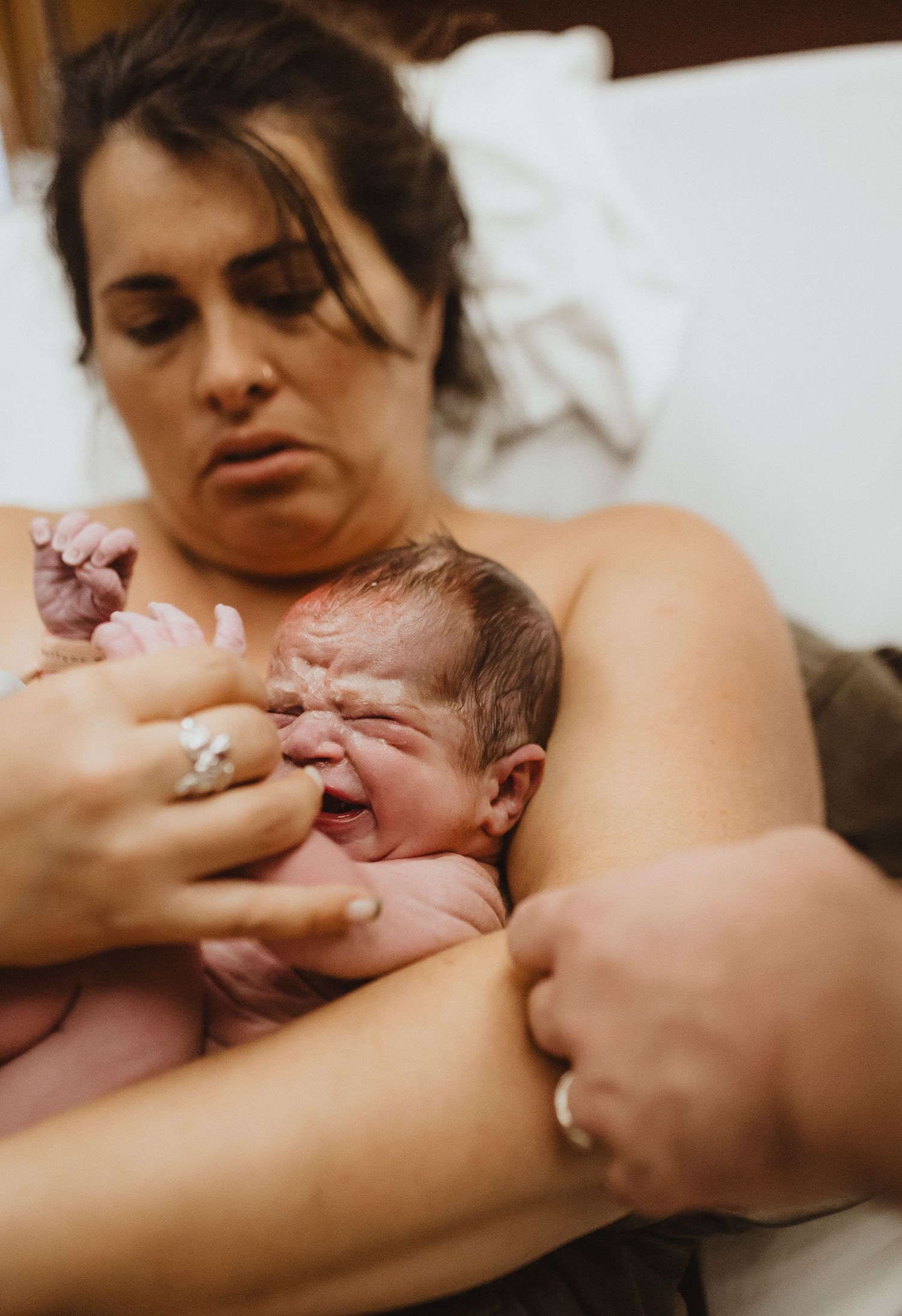
• Request immediate skin-to-skin contact if possible (they can check baby's vitals on your check)
• Delay the first bath
• Spend uninterrupted bonding time with baby
• Initiate breastfeeding when ready
These early moments help regulate the baby’s breathing, temperature, and heart rate.
⸻
9. The Pushing Stage Is Often Short
In many animals, once pushing begins, birth happens quickly. For example, horses often deliver their foal within 10–20 minutes of active pushing. Human births may take longer because babies rotate through the pelvis during labor.
How Humans Can Support This in the Hospital
• Try different pushing positions
• Use gravity-friendly positions
• Stay hydrated and conserve energy
• Take breaks between pushes if needed
Position changes can sometimes help labor progress more smoothly.
⸻
10. They Trust the Process
Animals do not question whether their bodies know how to give birth. They simply follow the natural process. Human birth can feel more complicated today, but the same incredible physiology still exists, listen.
How Humans Can Support This in the Hospital
• Learn about birth before labor begins (take a birth class, I offer one ;) )
• Surround yourself with supportive people
• Ask questions and advocate for yourself (in every single prenatal visit too)
• Focus on one contraction at a time
Confidence and support can make a huge difference during birth.
⸻
Supporting Birth in Any Environment
Every birth experience is unique, and families deserve support that respects their instincts, preferences, and choices. Whether you’re planning a hospital birth, birth center birth, or home birth, understanding how the body works during labor can help create an environment that supports both mother and baby.
As a birth photographer and doula serving Salina, Kansas and the surrounding North-Central Kansas communities, I love helping families feel informed, supported, and confident during one of the most powerful and special moments of their lives.
⸻
Frequently Asked Questions
Do animals have easier births than humans?
Not necessarily. Humans face unique challenges because babies have larger heads and must rotate through the pelvis during birth. However, animals often give birth in environments that support natural labor hormones, such as quiet, dark, and private spaces.
Can you still have a natural birth in a hospital?
Yes. Many hospitals support movement, flexible pushing positions, dim lighting, and immediate skin-to-skin contact. A supportive care team can help create an environment that supports natural birth physiology. Make sure you talk with your provider through each of your prenatal visits about all your questions, birth wishes, & write a birth plan to also share during your prenatal visits & have your support person share with head nurse when you check in during labor.