
*big breathe.......exhale*
Please if you're expecting, planning on having babies, going to be a grandmother, or have anyone in your life you care about have a baby READ UNTIL THE END.....
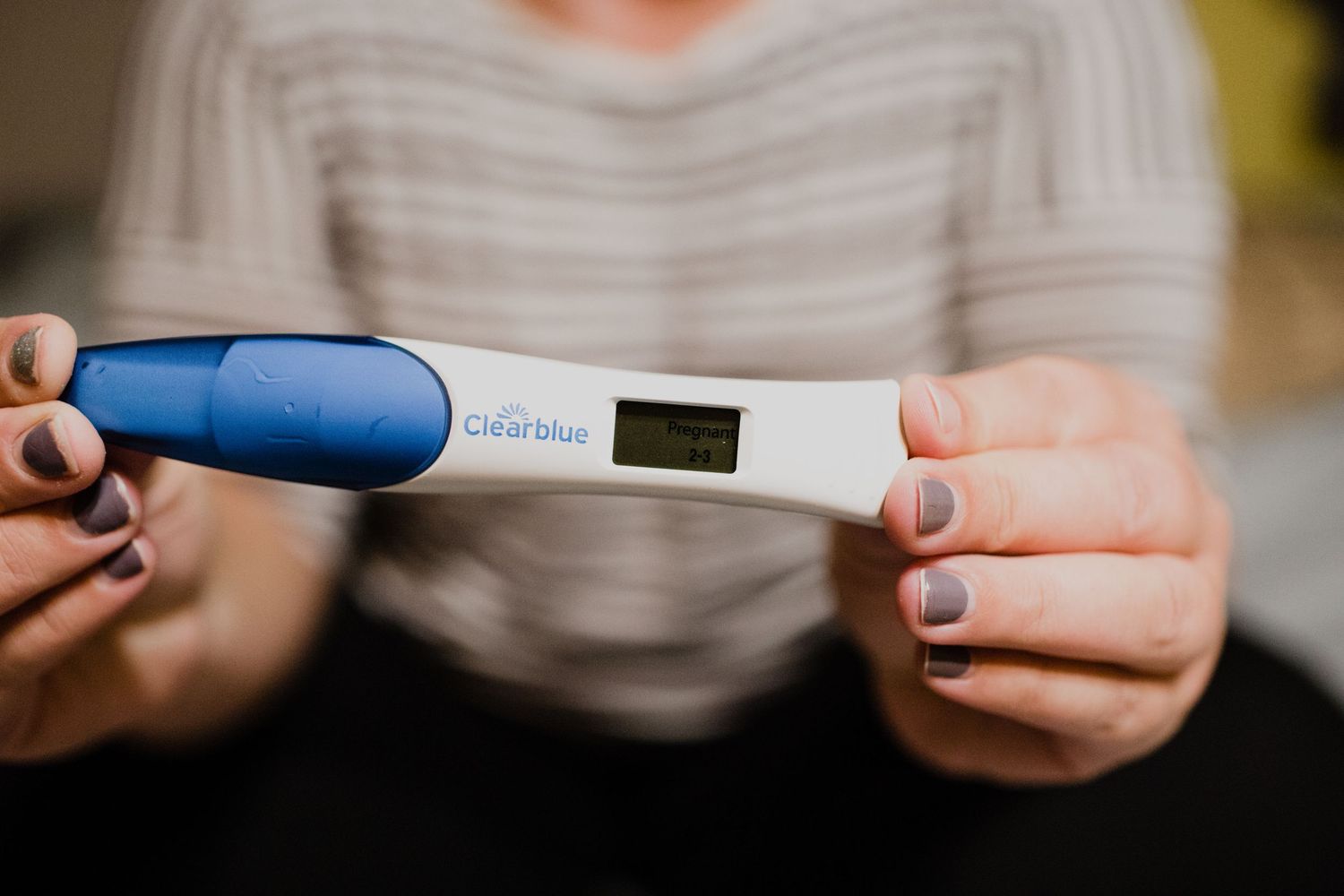
So, seeing this article from Salina hospital about 5 steps they are going to take to improve maternal and infant health got me thinking. What are some steps us as individuals can take to improve these outcomes? It really needs to start at early pregnancy or heck even before pregnancy! (article here)
How, you ask?
It starts with childbirth education, breastfeeding education, and support, then in turn you will know about all the choices starting with your pregnancy and into your labor from the very beginning.
Hey, yo!
Nutrition being one of the keys! 🥦
How many times have you had nutritional guidance in early pregnancy? How does this affect breastfeeding? It directly impacts not only your health but ---> will also impact how you might give birth -----> which also directly impacts your breastfeeding journey!
It's ALL connected!
Childbirth education also gives you the tools to make your own informed choices. Making informed choices helps you to avoid unnecessary interventions that you might not want that can also later interfere with breastfeeding.
OK, well what are these interventions you speak of???
➡️ Continuous Fetal Monitoring
- Used in 90% of labors in the US… It hasn’t been shown to actually improve any outcomes BUT has been shown to increase C-section risk by 63% for low-risk pregnancies. 63%! What!!? Yup, I didn't believe it either so I looked up the studies..... (Cochrane Review (https://www.cochranelibrary.com/cdsr/doi/10.1002/14651858.CD006066.pub3/full), ACOG summary (https://www.acog.org/clinical/clinical-guidance/practice-bulletin/articles/2020/04/continuous-electronic-fetal-monitoring)).
➡️ Avoiding unnecessary C-sections
- Means more immediate skin-to-skin, earlier first latch, and just overall easier breastfeeding since you didn’t go through major abdominal surgery.
➡️ INDUCTION
Earlier gestational age = FEEDING CHALLENGES
---Yes even a baby at 39weeks can act differently at the breast than a baby at 40weeks+
- Since late ultrasounds can be off by up to pounds, there’s no knowing when a baby is “ready”… But I guess after saying that, how would you know if a baby is ready based on weight, honestly?! ---------- Induction rate in the US is 33%. Back in th 1990s it was 9%. HOWEVER we haven't seen improved outcomes. (https://www.cdc.gov/nchs/data/databriefs/db155.pdf)
- Babies that are early term have a higher risk of being jaundice, struggle more with latching, and weaker suckling reflexes. Also, you might even end up in the NICU, which is a whole other set of obstacles to overcome when it comes to breastfeeding. (https://publications.aap.org/pediatrics/article/125/3/405/72565/Early-Term-Birth-Associated-With-Adverse-Neonatal)
- These babies don't stay awake long to feed well = less milk produced/ate = less milk removed = less milk you produce = drop in weight = increase in risk in jaundice = increase risk in NICU stay = MORE AND MORE breastfeeding obstacles and difficulties to jump through!
- Yes Induction is associate with higher rates of jaundice (https://www.cdc.gov/breastfeeding/breastfeeding-special-circumstances/jaundice.html)
- Why jaundice affects breastfeeding:
It creates a cycle:
👉 sleepy baby → poor feeding → rising bilirubin → even sleepier baby
Sometimes leads to supplementation if not well supported.
- NICU - inductions (specially early) are linked to increase NICU stays ( https://www.ncbi.nlm.nih.gov/pmc/articles/PMC1595289/ )
Why it affects breastfeeding:
Separation from mom = delayed 1st latch = less frequent feeding = delaying learning good latch = disrupt milk supply
- inductions = longer labor = more interventions = cascade effect
+more iv of fluids can cause breasts to swell & baby to swell making latch harder
+ continuous monitoring = increase risk of c-section delayed skin/skin & hard recovery
+higher epidural rates = because of the increased pain of induction may affect baby being alert in beginning (https://www.acog.org/womens-health/faqs/labor-induction)
➡️ PITOCIN used in inductions interferes with the natural release of oxytocin released in labor and might even postpartum (https://pmc.ncbi.nlm.nih.gov/articles/PMC1595201/) OXYTOCIN is critical for:
! MILK LET DOWN
!MILK PRODUCTION
!BONDING
- Some studies even show that induction can delay milk coming in! WHAT! (https://pubmed.ncbi.nlm.nih.gov/17661569/)
Yes yes yes some inductions are life saving and needed, I'm not saying they are all bad! But having the education & nutrition support ahead of time you just may be able to avoid the ripple effect that comes with induction AND.... AND improve Maternal and INFANT HEALTH!
So as I read this article, I ran across one single sentence that made me decide to right this blog. To really share ways to improve Maternal and Infant Health.... to show you that what's on the surface isn't always the full answer.....
“Assure immediate and sustained skin-to-skin contact between mother and baby after birth”
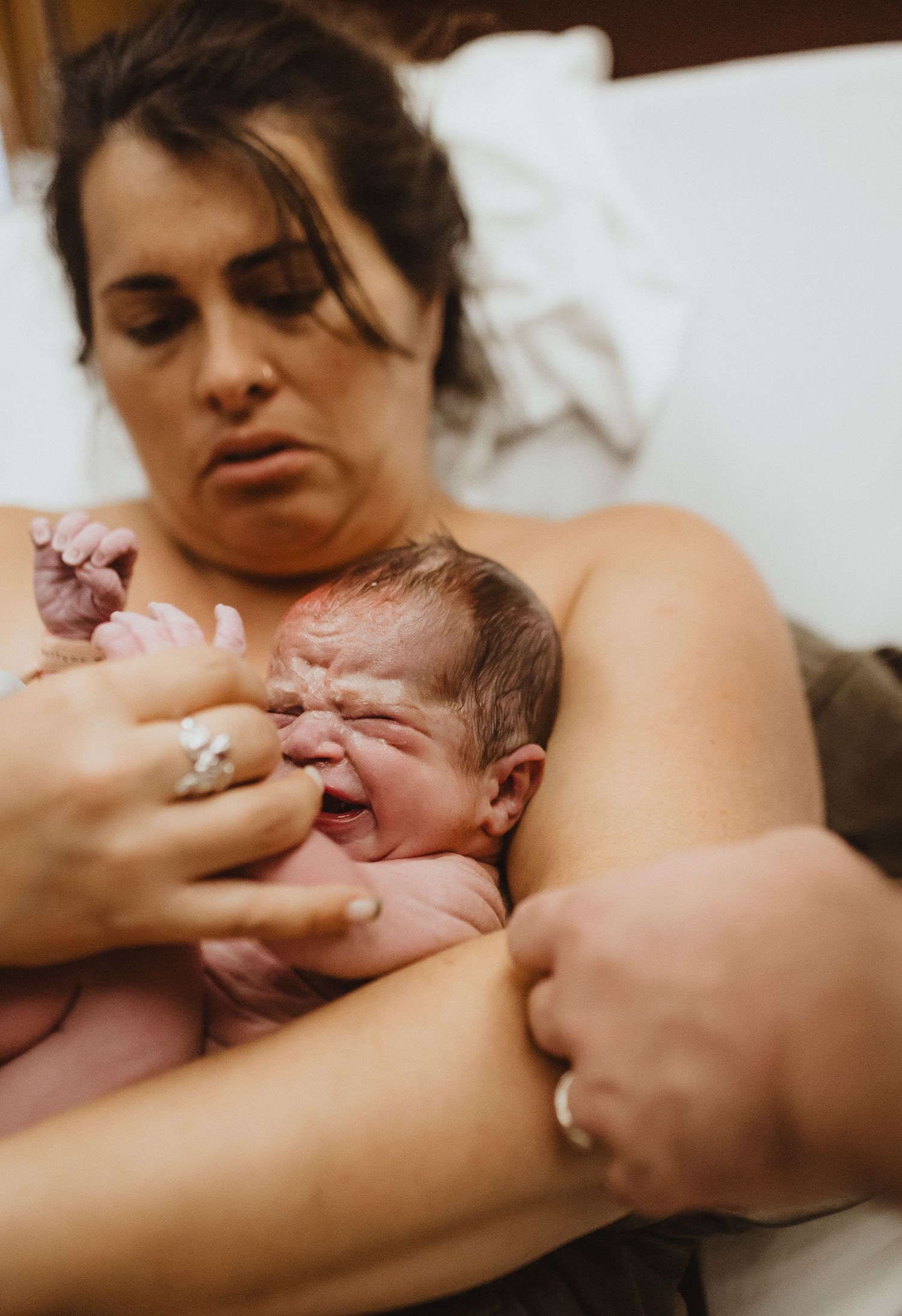
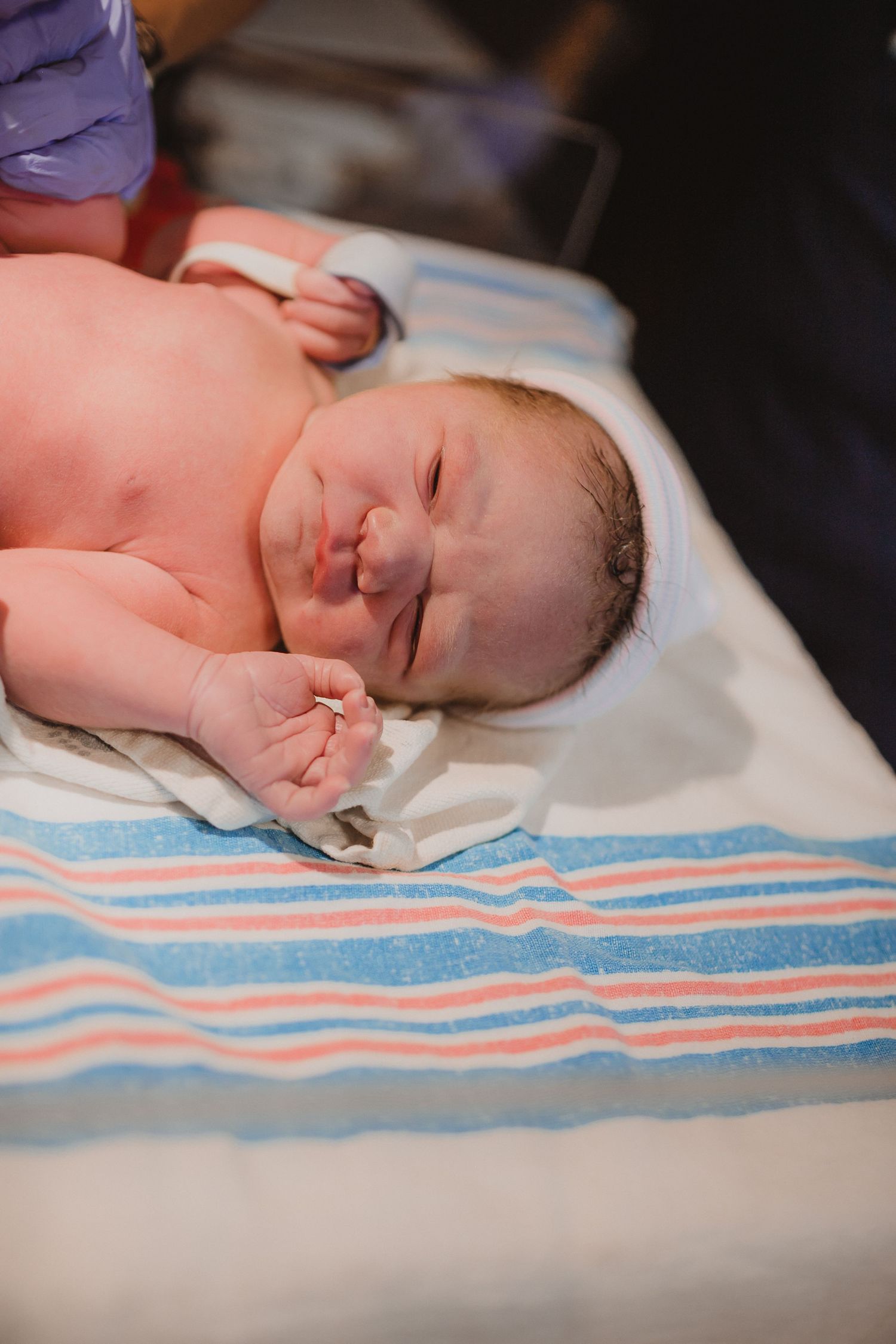
But I’ve seen it firsthand where babies are only allowed skin-to-skin for the first 1-2hours. I say “allowed” but really, you could do whatever you want. However, then they go ahead and take baby to do the routine procedures such as weighing, measuring, and sometimes not even before the golden hour is finished because shift change interrupting the golden hour, separating mom from baby. And then dressing baby, double swaddling, and yes, putting a hat on too.
Smelling your baby’s head and vernix triggers oxytocin to be released that increases milk production and bonding!! 💛
This goes against what the High 5 for Mom & Baby program is trying to do to improve breastfeeding outcomes.
Skin-to-skin isn’t just for the first few hours of lifE! it directly supports Breastfeeding beyond that!
For baby:
• Encourages feeding cues → better latch and more effective feeds 🍼
• Stabilizes blood sugar → prevents sleepiness that can reduce feeding
• Improves alertness and coordination for suckling
• Reduces stress → lowers cortisol, which can interfere with milk intake
For parent:
• Boosts oxytocin → stimulates milk let-down and helps establish supply 🤱
• Supports confidence in reading baby’s feeding cues
• Helps mom recover and be ready to feed frequently
Improving maternal and infant health outcomes is something you can’t just write about it and expect it to happen. You need to follow what you preach.
And for families, don’t expect someone else to make a “correct” choice for you. What you would do with knowledge presented to you is totally different from what your provider would do for themselves with the same knowledge presented to them. Think about that for a second? .....Do you really want to go in blindly trusting someone else?? Taking childbirth education and early breastfeeding classes so you know what choices you would make for yourself is so so so important!!!!
LOUDER FOR THE PEOPLE IN THE BACK
Breastfeeding isn’t about trying harder.
It’s about being fully supported from the beginning. You’re gonna have to take those steps for yourself though.
From educating yourself, to understanding interventions, hospital policies, to prenatal nutrition, to continued skin-to-skin beyond that golden hour. 💛